
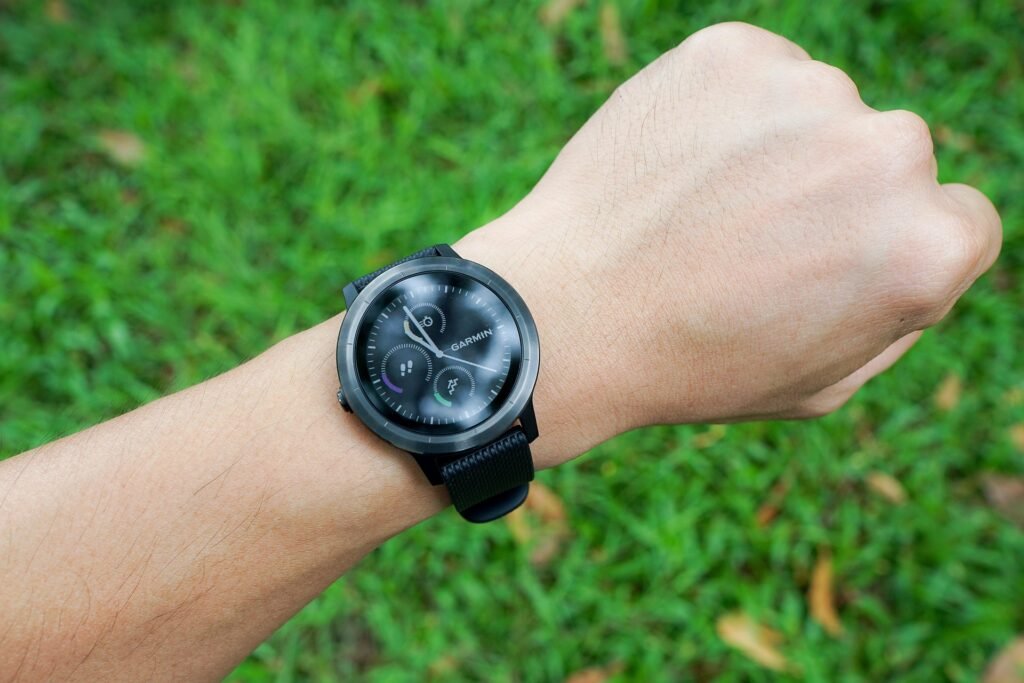
Picture this: You’re standing in an electronics store, staring at a wall of wearable devices, feeling completely overwhelmed. Should you go with that sleek Apple Watch that seamlessly syncs with your iPhone, or opt for the rugged Garmin that promises to track every step of your weekend hiking adventures? You’re not alone in this dilemma.
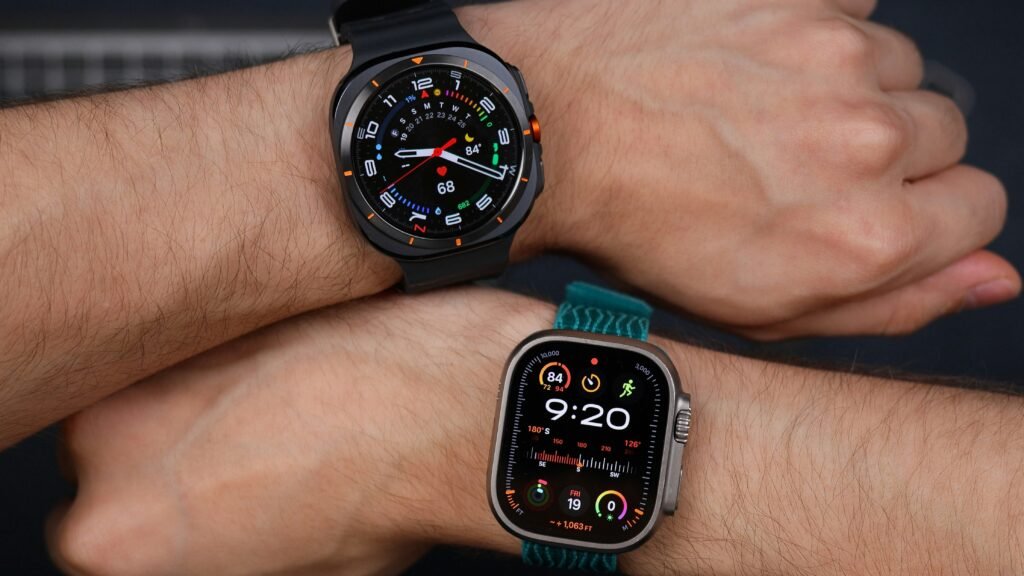
When choosing a wearable device, the smartwatch vs sportswatch debate has become increasingly complex. While both offer health tracking and modern features, they’re designed for fundamentally different users and purposes. Think of it this way: one is like a Swiss Army knife for your digital life, while the other is a precision instrument for athletic performance. This article explores the core differences, reviews key smartwatch features and sportswatch features, and helps you decide which one will actually improve your daily life.
Understanding the Two Camps: Smart vs Sport
Before diving into the technical details, let’s get clear on what we’re actually comparing here.
What is a Smartwatch?
Imagine having a tiny computer strapped to your wrist that never leaves you out of the loop. That’s essentially what a smartwatch is – a versatile digital device that transforms your wrist into a command center for your connected life. It combines traditional timekeeping with smartphone apps, instant notifications, and health tracking capabilities.
Popular models like the Apple Watch, Samsung Galaxy Watch, and Fitbit Versa have become as common as smartphones themselves. They’re designed for the person who wants to stay connected without constantly reaching for their phone. Whether you’re in a meeting, walking your dog, or grabbing coffee, your smartwatch keeps you plugged into what matters most.
What is a Sportswatch?
Now, think about that friend who runs ultramarathons or spends weekends rock climbing. They probably wear something that looks more utilitarian than fashionable – that’s likely a sportswatch. Also called GPS watches or multisport watches, these devices are the athletes’ best friend.
Brands like Garmin, Polar, and Suunto have built their reputations on creating watches that can survive anything nature throws at them while providing incredibly detailed performance data. These aren’t trying to replace your smartphone; they’re trying to make you a better athlete. They might not smoothly display your Instagram notifications, but they’ll tell you exactly how your VO2 max is improving over time.
Smartwatch Features: Your Digital Life on Your Wrist
Smartwatches are the multitaskers of the wearable world. Their biggest strength? They don’t make you choose between staying fit and staying connected.
Seamless Connectivity and Apps
The magic of a smartwatch really shines when your phone buzzes from across the room, but you can still see who’s calling right from your wrist. These devices sync effortlessly with your smartphone, letting you handle calls, read texts, and get notifications without missing a beat.
But it goes deeper than just notifications. You can stream Spotify during your workout, check the weather before heading out, get turn-by-turn directions while walking through an unfamiliar city, and even pay for your morning coffee with a quick tap of your wrist. Many models support NFC technology for mobile payments, making them genuinely convenient for daily life.
The app ecosystem is where smartwatches really differentiate themselves. Want to track your water intake? There’s an app for that. Need to control your smart home lights? Covered. Want to play games during your commute? Yep, that too.
Health and Fitness Tracking That Works for Real Life
Here’s where smartwatches get interesting for the average person. They track the basics really well: steps (so you know if you’ve been desk-bound all day), heart rate (helpful for both workouts and stress management), and sleep patterns (eye-opening data about your rest quality).
Most models include workout modes for common activities like running, cycling, swimming, and yoga. Some newer models even offer advanced features like ECG monitoring, blood oxygen tracking, and stress level alerts. While these features might not be as precise as what you’d find in a sports watch, they’re more than adequate for most people’s health awareness goals.
What makes these features special is their integration with your daily routine. Your watch might gently remind you to stand up after you’ve been sitting too long, or suggest a breathing exercise when it detects elevated stress levels.
Everyday Convenience Features
This is where smartwatches really earn their place on your wrist. Customizable watch faces mean you can match your style or display the information that matters most to you. Voice assistants like Siri, Google Assistant, or Bixby let you set reminders, send texts, or control smart devices without touching anything.
Quick access to your calendar, weather, maps, and reminders transforms how you interact with information throughout the day. No more pulling out your phone every few minutes – a quick glance at your wrist keeps you informed and present.
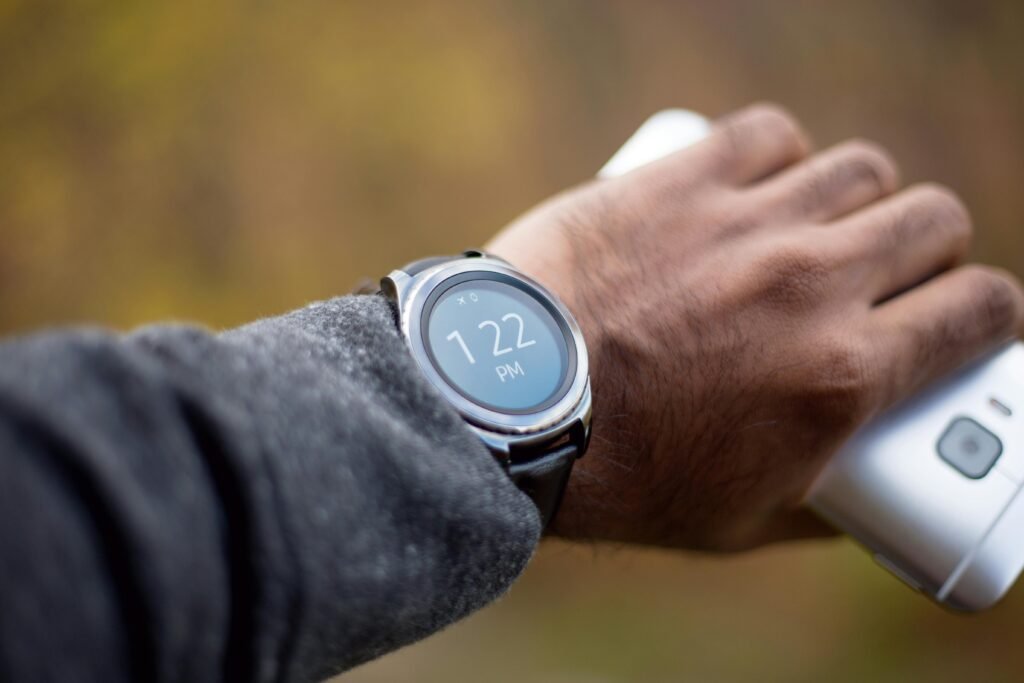
Sportswatch Features: Built for Performance
If smartwatches are Swiss Army knives, sportswatches are precision instruments. They focus less on keeping you entertained and more on making you faster, stronger, and more efficient.
Built Like a Tank
Sportswatches are designed for people who don’t baby their gear. They feature rugged builds that shrug off impacts, resist water pressure during swimming or diving, and keep working in extreme temperatures. Whether you’re trail running in a downpour or climbing mountains in freezing conditions, these watches are built to endure.
The bands are typically made from materials that won’t irritate your skin during long, sweaty workouts. The displays are optimized for outdoor visibility, so you can read your stats even in bright sunlight. Unlike fashion-focused smartwatches, every design choice prioritizes function over form.
Performance Metrics That Actually Matter
This is where sportswatches truly shine. The GPS accuracy is typically superior, giving you precise distance and pace measurements that serious runners and cyclists depend on. But it goes much deeper than basic tracking.
Advanced models calculate metrics like VO2 max (your cardiovascular fitness level), lactate threshold (the intensity at which fatigue kicks in), and recovery time estimates (when you should train hard again). For triathletes and multi-sport athletes, these watches can seamlessly transition between swimming, cycling, and running modes, tracking performance across all disciplines.

The data isn’t just collected – it’s analyzed and presented in ways that help you improve. You might get suggestions for optimal training loads, warnings about overtraining, or recommendations for race pacing strategies.
Battery Life That Won’t Quit on You
Perhaps the most practical advantage of sportswatches is their incredible battery life. While your smartphone and smartwatch need daily charging, many sportswatches run for weeks on a single charge. Even when using GPS tracking continuously, they’re designed to last through long events like ultramarathons or multi-day hiking trips.
Some models include solar charging capabilities, extending battery life even further for extended outdoor adventures. This reliability is crucial when you’re depending on your watch for navigation or emergency features in remote locations.
Price Points: What You’ll Actually Pay
Let’s talk money – because budget often makes the final decision for us. The pricing landscape for wearables can be surprisingly diverse.
Smartwatch Pricing Reality
Entry-level smartwatches start around $100-200 for basic models from brands like Amazfit or older Fitbit versions. Mid-range options like the Apple Watch SE or Samsung Galaxy Watch typically run $250-400. Premium models with all the bells and whistles can easily hit $500-800, especially if you want cellular connectivity or premium materials.
The hidden cost? Most smartwatches become outdated faster. Like smartphones, they rely on software updates and app compatibility, which means you might feel pressured to upgrade every 3-4 years.
Sportswatch Investment
Basic GPS sportswatches start around $150-250, but serious multisport watches from Garmin, Polar, or Suunto typically range from $300-600. High-end models with advanced metrics and mapping features can reach $700-1000 or more.
Here’s the interesting part: sportswatches often last longer. Their focus on hardware durability and simpler software means many athletes use the same watch for 5-7 years or more. When you calculate cost per year, they often become the better value for dedicated users.
The Value Equation
Consider how you’ll actually use the device. A $400 smartwatch that you check 50 times daily might offer better value than a $600 sportswatch you only use for weekend workouts. Conversely, if you’re training seriously, that expensive sportswatch could pay for itself by helping you avoid a single sports injury or achieve your performance goals.
Making the Choice: Which Watch Fits Your Life?
The decision ultimately comes down to honest self-reflection about your priorities and lifestyle.
| Category | Smartwatch | Sportswatch |
|---|---|---|
| Primary Purpose | Digital life companion; balance of connectivity + fitness tracking | Precision training tool for athletes and outdoor adventurers |
| Design | Sleek, customizable, fashion-friendly | Rugged, durable, built for extreme conditions |
| Connectivity & Apps | Strong app ecosystem, notifications, calls, payments, smart home control | Limited apps; focus on performance tracking |
| Fitness Tracking | Good for everyday health (steps, HR, sleep, stress, SpO2, ECG) | Advanced metrics (GPS accuracy, VO2 max, lactate threshold, recovery time, multisport tracking) |
| Convenience Features | Voice assistants, calendars, navigation, music streaming, customizable faces | Outdoor readability, durable materials, skin-friendly bands |
| Battery Life | 1–2 days typical, up to a few days | 1–3 weeks, even with GPS usage; some solar charging |
| Price Range | $100–800 (frequent upgrades every 3–4 years) | $150–1000+ (longer lifespan, 5–7 years) |
| Best For | Connected lifestyle, casual fitness, everyday convenience | Serious athletes, endurance training, outdoor adventures |
For the Connected Lifestyle
If your daily routine involves juggling work calls, social media, fitness goals, and staying organized, a smartwatch is probably your best bet. It’s perfect for busy professionals, parents managing family schedules, or anyone who values staying connected while maintaining an active lifestyle.
Smartwatches excel when convenience matters more than precision. They’re ideal for people who want good-enough fitness tracking combined with genuine lifestyle benefits.
For the Performance-Focused
If you have specific athletic goals – training for a marathon, improving your cycling power, or exploring the outdoors regularly – a sportswatch provides the precision and durability you need. The detailed metrics and long battery life ensure your watch won’t become a limitation in your training or adventures.
Sportswatches are the clear choice for serious athletes who need data-driven insights to improve their performance.
The Middle Ground
Some people genuinely need both connectivity and athletic precision. Higher-end models from companies like Garmin offer hybrid solutions that combine sportswatch accuracy with limited smartwatch features. These watches cost more but eliminate the need to choose between performance and convenience.
Conclusion
Consider your honest priorities: Do you check your phone frequently throughout the day? Do you train with specific performance goals? Is battery life crucial for your activities? Your answers will point you toward the right choice.
Whether you prioritize staying connected or pushing your athletic limits, choosng the right watch ensures you’ll actually use and appreciate your investment for years to come.
Frequently Asked Questions
Smartwatches prioritize sleek, customizable aesthetics that complement both casual and professional attire. Sportswatches emphasize rugged durability and outdoor readability, with design choices that prioritize function over fashion.
For serious athletes, absolutely. Sportswatches typically offer more accurate GPS, advanced training metrics, and longer battery life. However, for casual fitness enthusiasts, smartwatch tracking is usually sufficient and more convenient.
While smartwatches continue improving their fitness features, they generally can’t match the precision and endurance that competitive athletes require. The battery life alone makes sportswatches essential for long-distance events.
The difference is dramatic. Sportswatches often run for 1-3 weeks on a single charge, while smartwatches typically need charging daily or every other day. This becomes crucial for extended outdoor activities.
Most sportswatches have limited app ecosystems compared to smartwatches. They focus on performance tracking rather than lifestyle apps, though some higher-end models are bridging this gap.
Many smartwatches offer water resistance suitable for swimming, but sportswatches typically provide higher levels of water resistance and overall ruggedness for extreme conditions.
Pingback: Must-Have Features for a Sportswatch - techvaluate.com
Pingback: Garmin Fenix 8 Review: The Ultimate Multisport GPS Watch - techvaluate.com